barito bajada
← field guide

Invertebrates

Scorpions, spiders, and the stings worth knowing.

Key

Medically serious — can need care
Venomous — bite hurts, rarely dangerous
Painful, not dangerous
Harmless
Comes indoors — shake out boots & bedding
Disease risk (not venom)
Common — you'll see these
Occasional — now and then
Seldom — keep an eye out
Elusive — you may never see one

subtitle = binomial (scientific name)
Scorpions

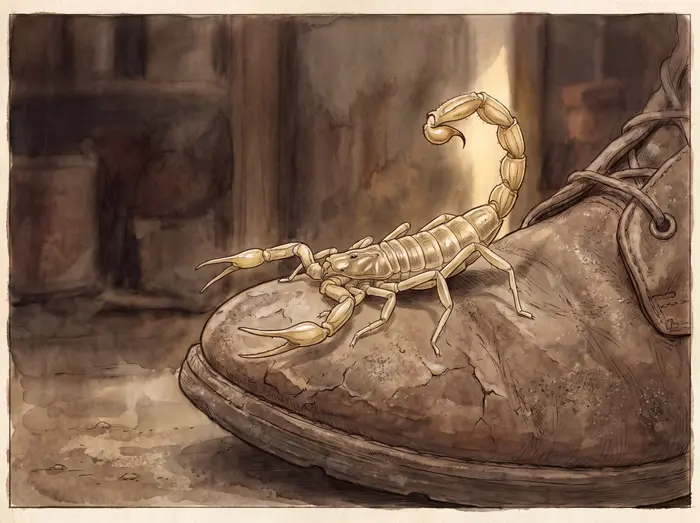
Arizona bark scorpion

Arizona bark scorpion

Centruroides sculpturatus

You find it by killing the lights: a UV torch burns it electric blue-green out of the dark. The only US scorpion whose sting is a real emergency, and the one that climbs walls indoors.

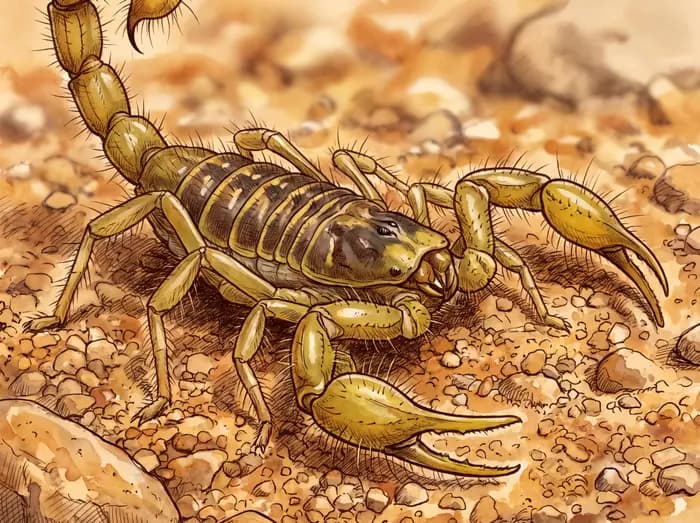
Desert hairy scorpion

Desert hairy scorpion

Hadrurus arizonensis

The biggest scorpion on the continent, and close to the mildest: its sting runs about bee-level, the heavy pincers paid for with weak venom. The small, slender bark scorpion is the serious one.

Spiders

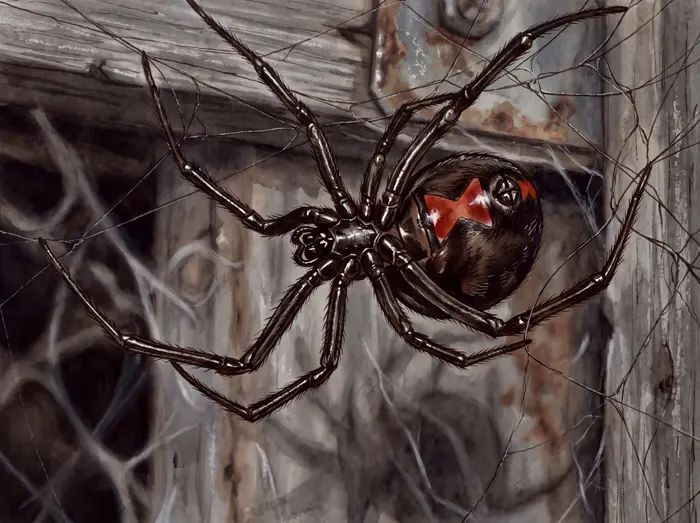
Western black widow

Western black widow

Latrodectus hesperus

Real venom, small dose: her toxin floods your own nerves, but no one in the US has died of a widow bite since 1983. The bite finds a bare hand put into a dark box without looking.

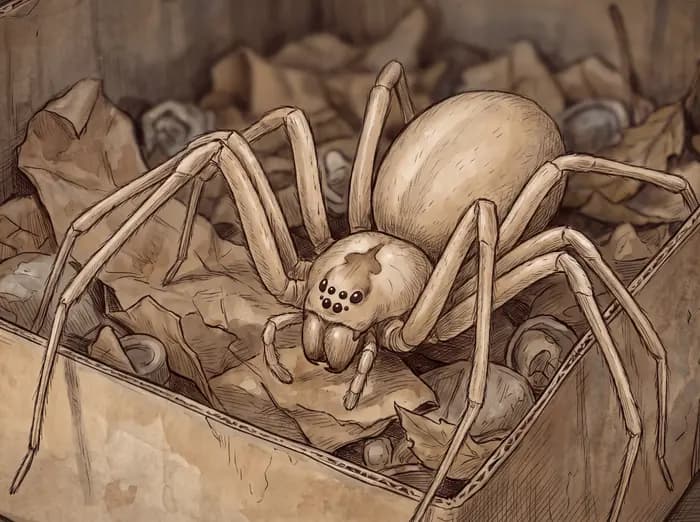
Desert recluse

Desert recluse

Loxosceles deserta

The wound gets blamed far more often than the spider gets found. A native desert recluse, and properly named: hundreds can share a house unbitten. The tell is six eyes, not the faint violin.

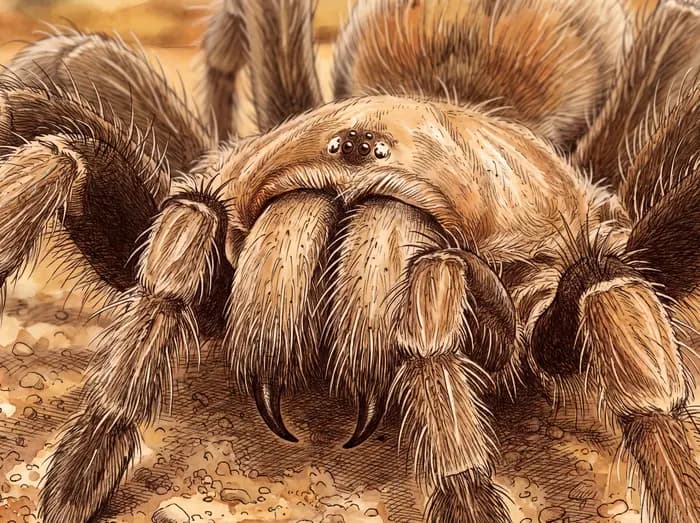
Desert blonde tarantula

Desert blonde tarantula

Aphonopelma chalcodes

A big desert tarantula whose bite is no worse than a bee sting; its real defense is flicking barbed belly hairs. The ones wandering in fall are males, out to find a mate before the cold.

Stinging Insects

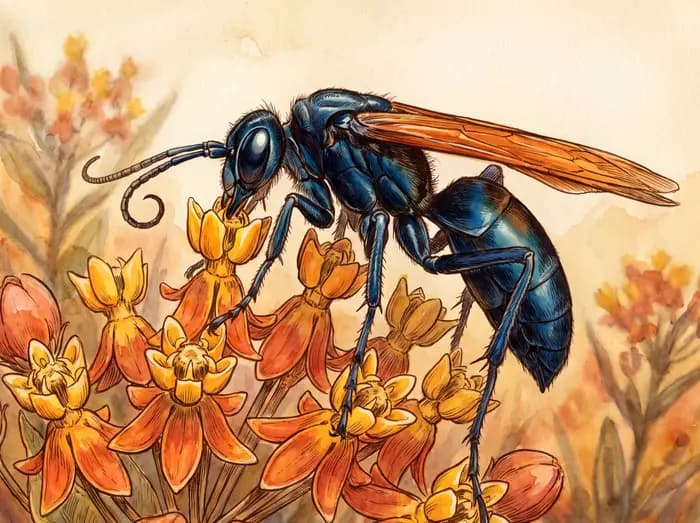
Tarantula hawk wasp

Tarantula hawk wasp

Pepsis spp.

The most painful sting in the desert does almost no harm. The venom is built for spiders; on a person it is a five-minute bluff. Docile otherwise, and only the females sting.

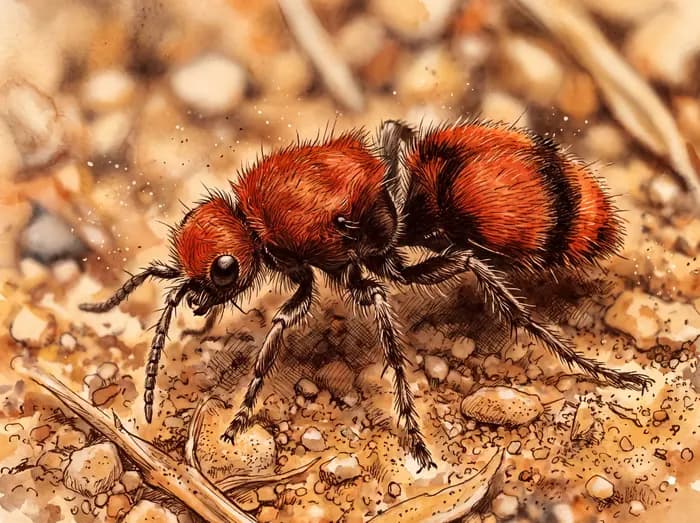
Velvet ant ("cow killer")

Velvet ant ("cow killer")

Dasymutilla spp.

Not an ant but a wingless female wasp, walking the open dirt unbothered. A stacked armor-and-sting defense means almost nothing eats her; "cow killer" is about pain, not danger.

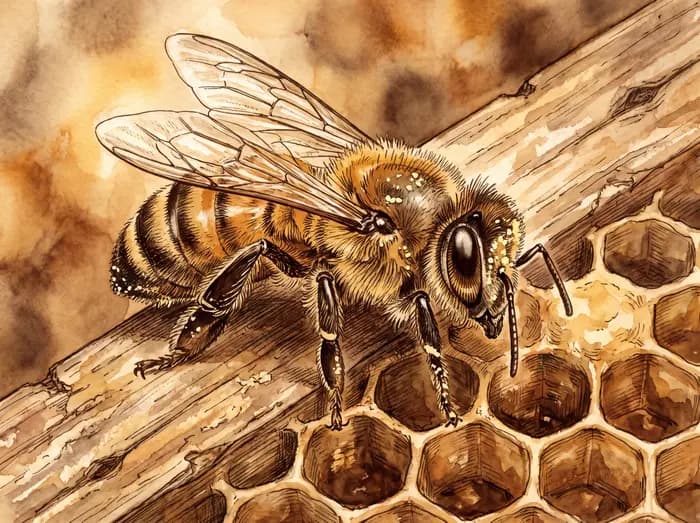
Africanized honeybee

Africanized honeybee

Apis mellifera scutellata (hybrid)

You can't tell it from a regular honeybee, and the venom is no stronger. The danger is arithmetic: one disturbed colony throws 100 to 1,000 stings where a European hive throws 10 to 20.

Centipedes & Others

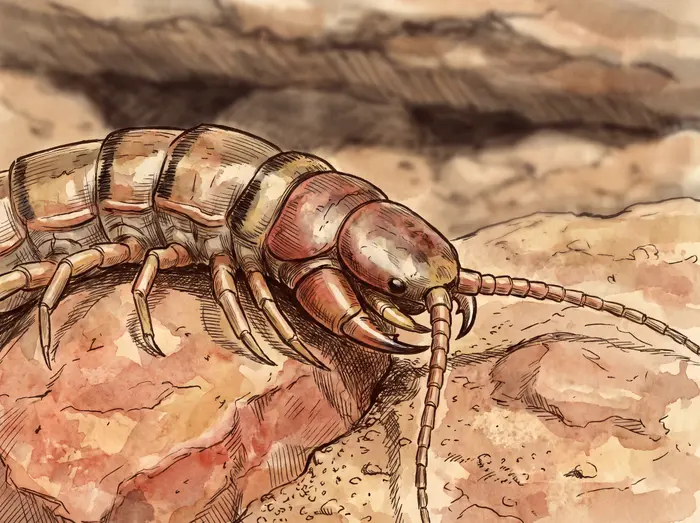
Desert centipede

Desert centipede

Scolopendra polymorpha

Its name means 'many forms': one species turns up tan, brick red, olive, even blue with turquoise legs. Painful, though the bullet-ant reputation belongs to its giant cousins, not this one.

Conenose (kissing) bug

Conenose (kissing) bug

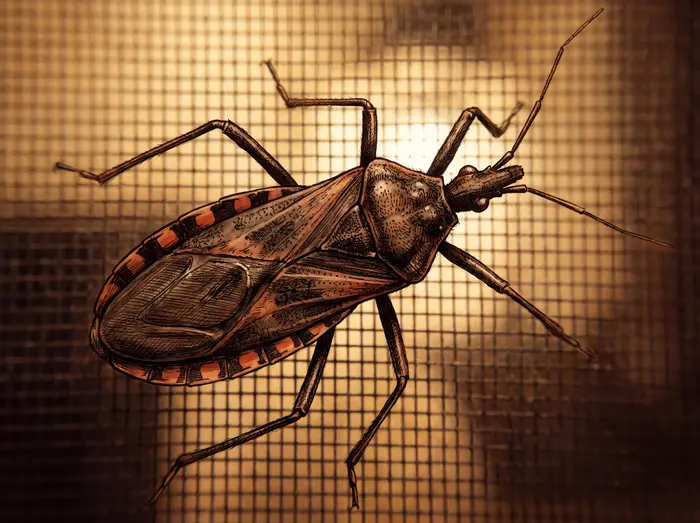
Triatoma rubida

Over 40% of Tucson's kissing bugs carry the Chagas parasite, yet almost nobody here catches it: the bugs tend to leave before they defecate. The real risk is the allergic bite.

Invertebrates — Barito Bajada