barito bajada
← field guide

Reptiles

Tortoises, rattlers, and the lizards that own the heat.

Key

Venomous — treat as a serious bite, get help
Harmless — no venom
Catch & release — be gentle, then let it go
Quick hands — catchable if you're fast
Good luck — harmless, but you'll just look silly trying
Hard no — run, or just don't
Protected — don't touch, move, or harm it (illegal)
Beneficial — eats rodents, and even other snakes
Common — you'll see these
Occasional — now and then
Seldom — keep an eye out
Elusive — you may never see one

subtitle = binomial (scientific name)
Rattlesnakes — the four to respect

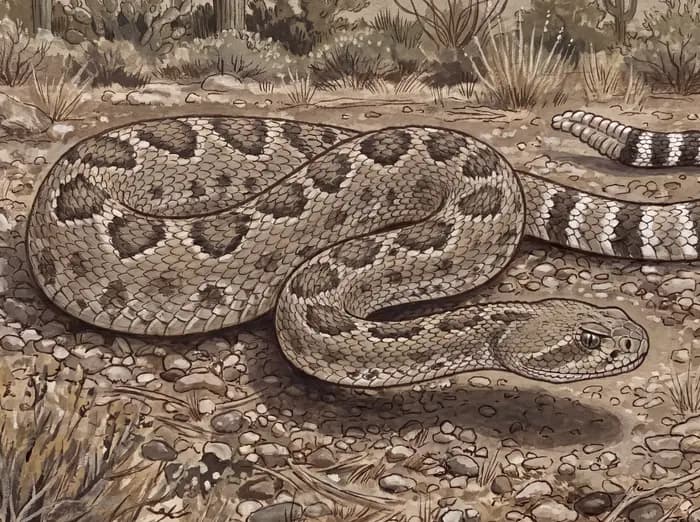
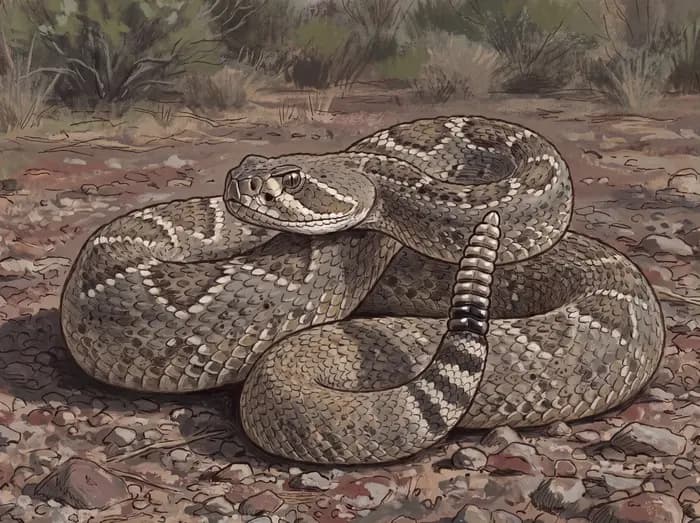
Western diamondback rattlesnake

Western diamondback rattlesnake

Crotalus atrox

Likely responsible for more U.S. snakebites than any snake, yet its venom is comparatively mild — the danger is dose, not potency. In one Arizona study, most people it bit had seen it first.

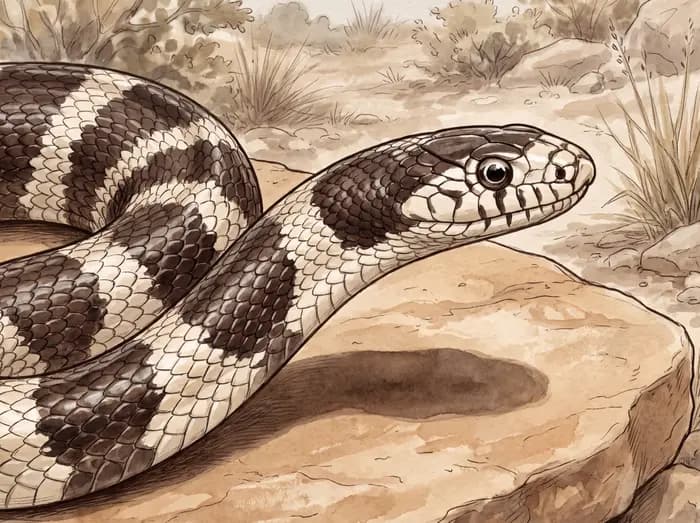
Mojave rattlesnake

Mojave rattlesnake

Crotalus scutulatus

One snake, two venoms, and the valley decides which. Much of its range runs the ordinary kind; this ground runs the neurotoxic one, and the calming Arizona bite data is drawn from the wrong snakes.

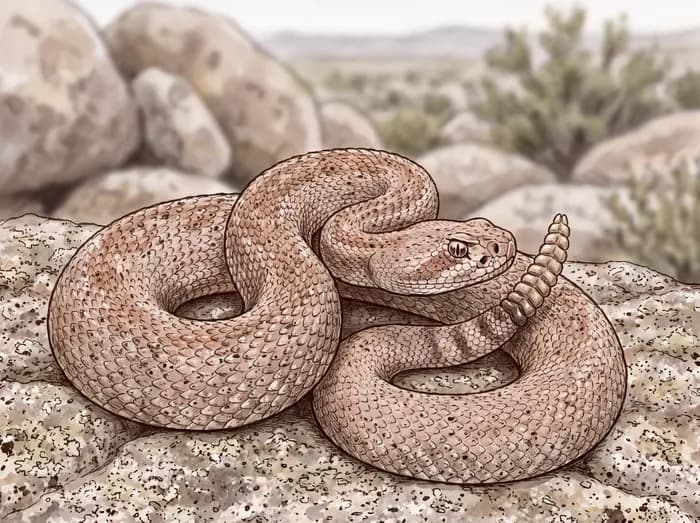
Speckled rattlesnake

Speckled rattlesnake

Crotalus pyrrhus

Two of them a few miles apart look like different snakes, each the color of its own rock. The camouflage story is a good one, and nobody has actually tested it on this snake.

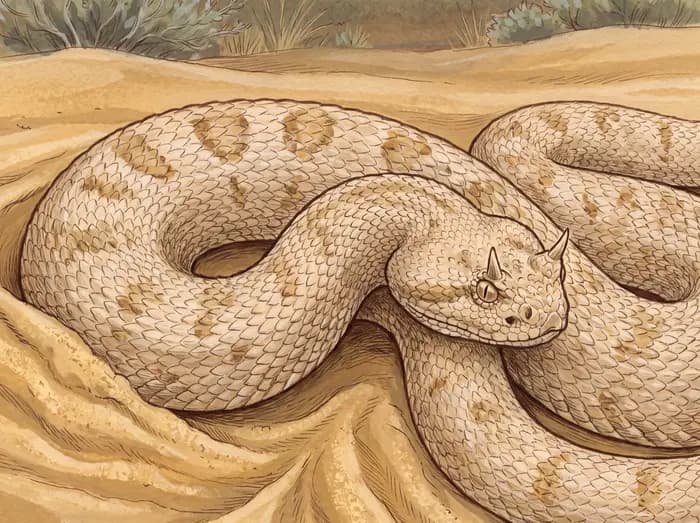
Sidewinder

Sidewinder

Crotalus cerastes

It doesn't move sideways to beat the heat; that's the second reason. The first is traction on sand it can't push against. Marginal here: expect it in the washes, never the gravel.

Harmless Snakes — mostly allies

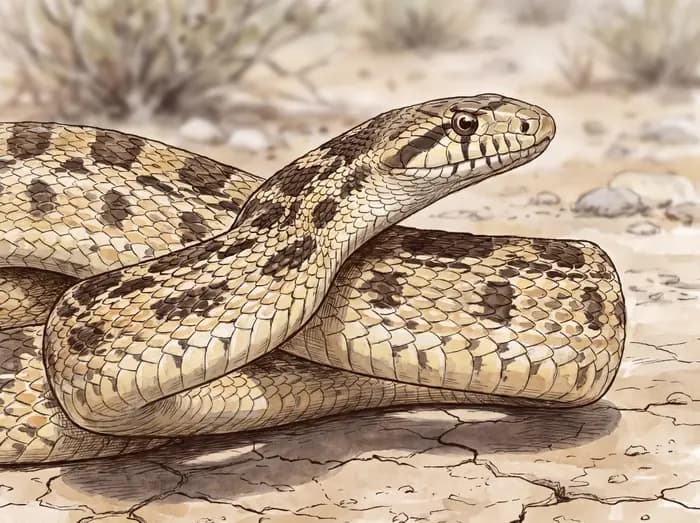
Gopher snake

Gopher snake

Pituophis catenifer

It hisses, flattens its head, and buzzes its tail like a rattlesnake — but the buzz is likely older than the rattle, and that hiss runs the first vocal cord ever described in a snake.

California kingsnake

California kingsnake

Lampropeltis californiae

It eats rattlesnakes and can take a venom bite mid-fight. Pound for pound the hardest-squeezing snake yet gauged, though mostly on its eastern cousin, not ours.

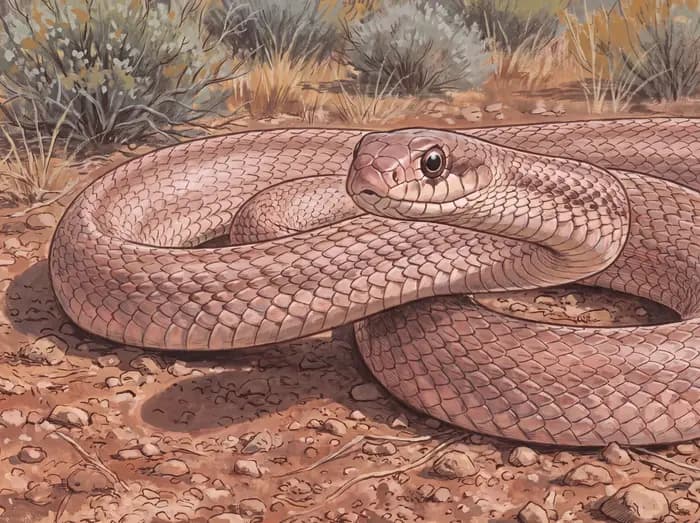
Coachwhip

Coachwhip

Masticophis flagellum

Most snakes here wait in ambush; the red racer goes looking, in daylight, head up like a periscope — and pays the energy bill every day by warming its hunting end first.

Lizards

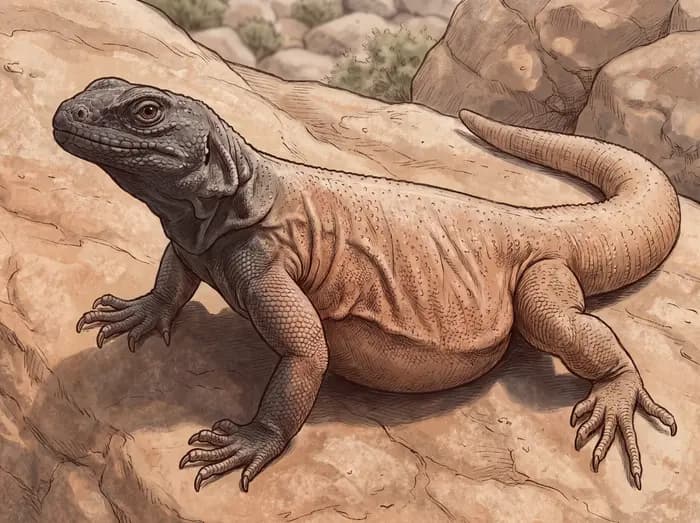
Chuckwalla

Chuckwalla

Sauromalus ater

Cornered, it wedges into a rock crack and inflates its lungs to four times their volume until you cannot pull it out. A harmless vegetarian that lives only in rock, never the open flats.

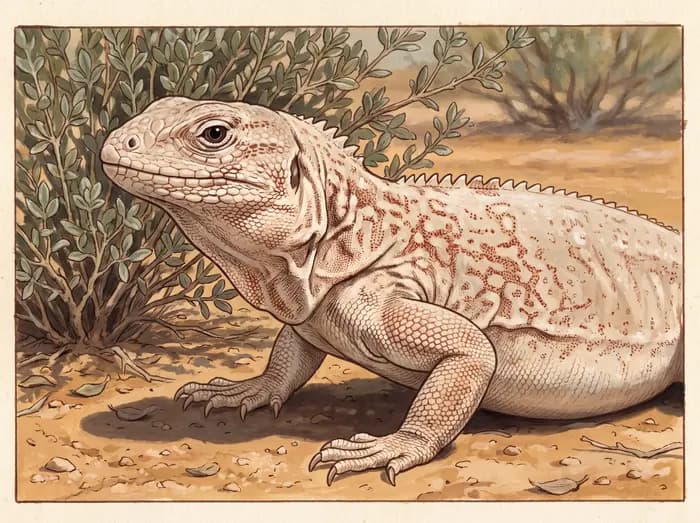
Desert Iguana

Desert Iguana

Dipsosaurus dorsalis

The lizard that made fever legible: it runs at 104°F by choice, and sick ones that raised their temperature survived when cooled ones died. A creosote-flat specialist, uncommon this high.

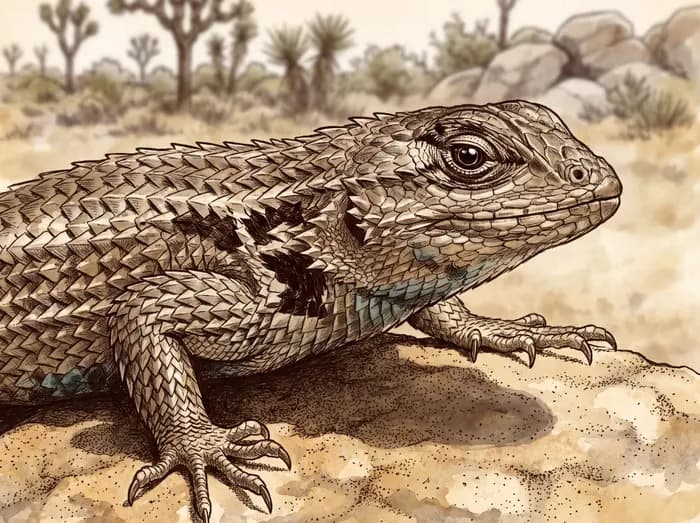
Desert spiny lizard

Desert spiny lizard

Sceloporus magister

The third eye on its head is a real light sensor, and a study on this exact lizard showed it works as a thermostat: remove it and the animal runs itself hotter.

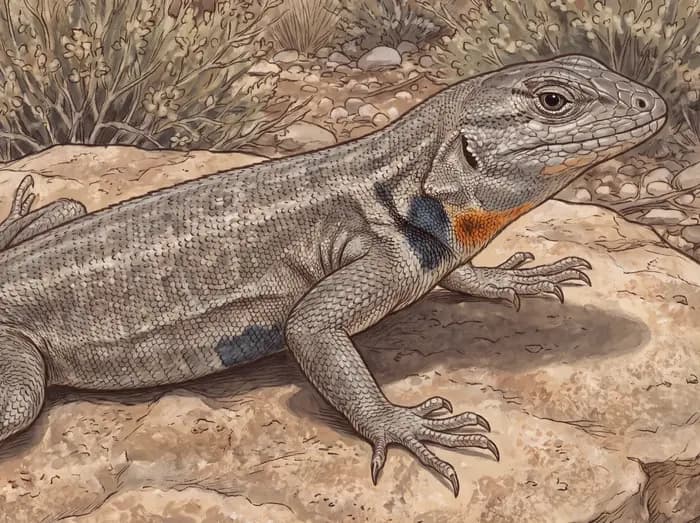
Side-blotched lizard

Side-blotched lizard

Uta stansburiana

Three throat colors in a rock-paper-scissors game: orange beats blue, blue beats yellow, yellow beats orange. In 2026 sequencing found only two genes and a bluff — yellow isn't its own card.

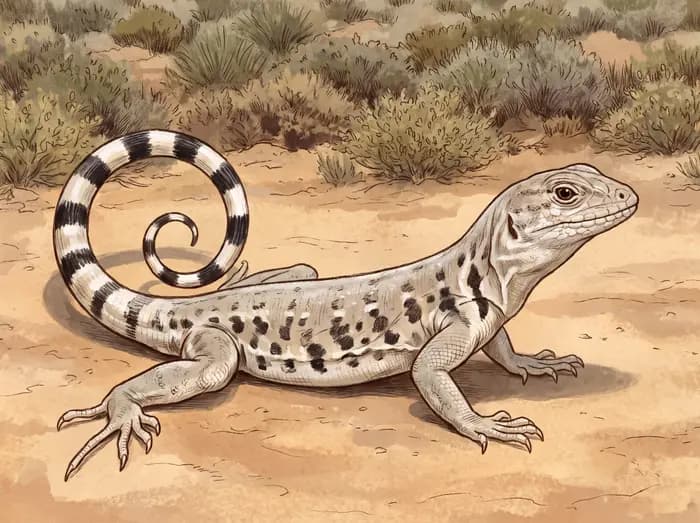
Zebra-tailed lizard

Zebra-tailed lizard

Callisaurus draconoides

It waves a black-and-white tail at whatever wants to eat it — not fear but a message: I've seen you, and a chase isn't worth it. It can back the bluff at 50 body lengths a second.

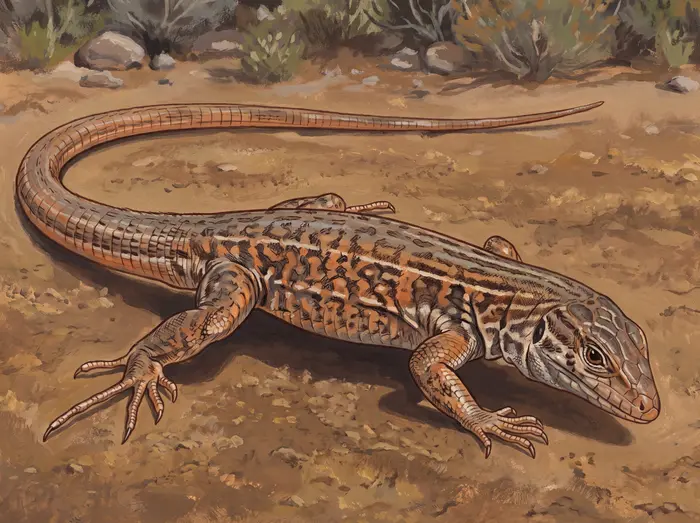
Western whiptail

Western whiptail

Aspidoscelis tigris

The lizard you only ever see in motion, digging buried termites by scent and paying a roadrunner tax for it. Its cousins clone themselves all-female; this one keeps its males.

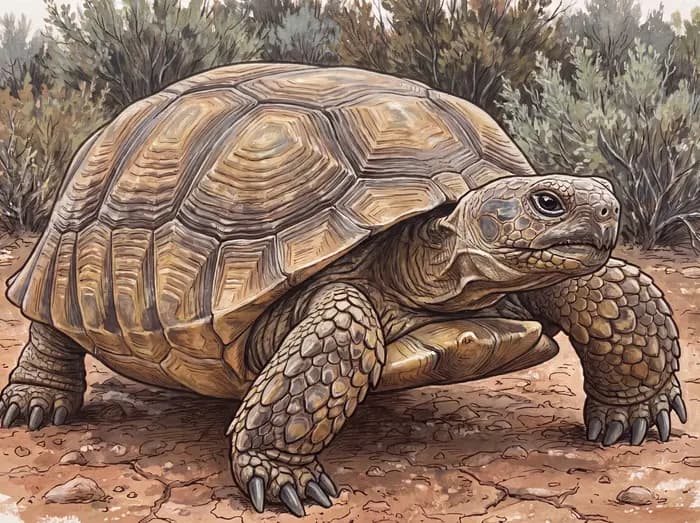
Desert Tortoise

Desert tortoise

Desert tortoise

Gopherus agassizii / G. morafkai

It banks water in its bladder, then rides out drought by letting its own body chemistry drift past limits that would kill most reptiles. Physiologists had to coin a word for it.